"Breaking Barriers to Native Education for All"
For students, parents, educators, administrators, community members, and Change Leaders.
Gathering Change Leaders of all ages at the forefront of innovative education, prioritizing the learning persistence, success and interrelational wellness of every student, parent, educator, administrator and community member in the greater Denver-Boulder metro area via Native Education for All.
Engaging activities and resources for ages Pre-K to adult
FREE tickets are recommended & not required
More information on the Breathing Healing Bus!
*CALL FOR VOLUNTEERS* Apply on this form
Vendor Registration for Native Art Market. Apply on this form
**Complimentary lodging at local churches for our out-of-town indigenous relatives!** Email Linda Woods to arrange accommodations, lwcounsel@gmail.com
Deep appreciation to our Community Partners!
- Creative Nations
- City of Boulder Human Relations Fund
- Dairy Arts Center


M.C./Moderator: Richard B. Williams (Oglala Lakota/Northern Cheyenne)
Richard B. Williams (Oglala Lakota/Northern Cheyenne) is a passionate and committed advocate and fierce champion of Native education in the United States. He served most recently as a historian, researcher and archivist on the Truth, Restoration and Education Commission (TREC) and its evidenciary findings (the TREC Reports, 2024) in collaboration with People of the Sacred Lands. From 1997- 2012, he has served as president and CEO of the American Indian College Fund, a national non-profit scholarship fundraising organization for American Indian students attending tribal colleges and universities which provide culturally based education and are run by the tribes. At NARF, Williams worked on landmark cases concerning the civil right of American Indians in prison. With the assistance of Wallace Black Elk, a Lakota medicine man, he helped build the first sweat lodge at a correctional institution. He also developed a plan to build a 50-bed minimum-security prison on the Cheyenne River Reservation in South Dakota, where he served as the first warden. It was during this time that Rick learned and studied the political and social processes that influence the effectiveness of tribal governing entities. At the American Indian College Fund, Williams has raised more than $200 million for scholarship support for Native students and support for the Tribal Colleges and Universities since 1997, including helping 17 faculty members complete their doctorates. In 2007 Williams received an honorary doctorate of humane letters from Roger Williams University in Rhode Island for his work in Native education.
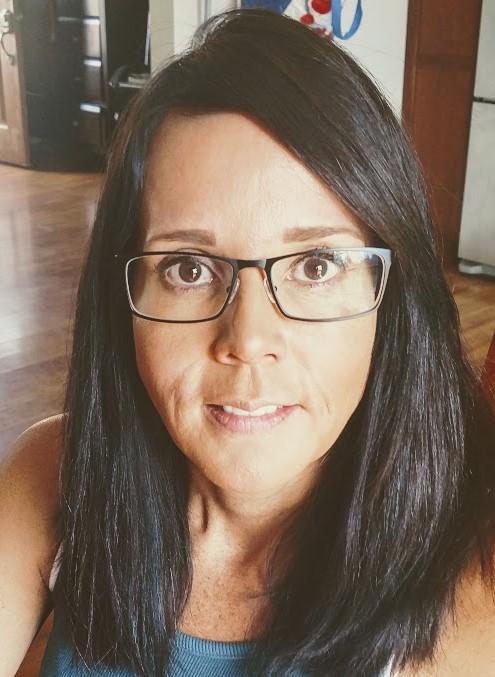
Keynote Address: Dr. Terri Bissonette (Gnoozhekaaning Anishinaabe)
Session Title: "Honoring Our Obligations: Building an Education System that Serves Native Students and All of Colorado"
Dr. Terri Bissonette (Gnoozhekaaning Anishinaabe) explores the history and future of Indian Education for All in Colorado, highlighting how education built on Native land must now honor Native students. This keynote calls for truth in curriculum, support for educators, and dedicated resources to build an equitable system that serves all Colorado children.
Dr. Terri Bissonette, EdD brings over 20 years of experience in K–12 education, specializing in curriculum development, teacher training, and school leadership with a strong emphasis on equity, diversity, and culturally responsive learning. Her background spans K–9 classroom instruction, school leadership, higher education teaching, and the creation of innovative, culturally relevant curricula.
She was the founder of the American Indian Academy of Denver (AIAD), a community-driven school that operated in Denver and was designed to serve Native American and Latino students. In addition to her work in school design and leadership, Dr. Bissonette has led professional learning initiatives focused on trauma-informed practices and Indigenous education.
Guided by a commitment to inclusive and empowering learning environments, she draws on her comprehensive teaching experience and leadership skills to advance culturally responsive education that supports all learners.

Distinguished Speaker: Dr. Jennifer Wolf (Ponca, Ojibwe, Santee)
Session Title: "Embedded in Community Cultural Values, Empowered With Education"
Dr. Jennifer Wolf (Ponca, Ojibwe, Santee) is the Director of Native American Student Success for Denver Public Schools. With over 15 years of experience in Native education, she supports Native students and communities through culturally responsive programming and educator training. A trusted partner and facilitator, she champions the integration of Native history and culture into schools, developing initiatives for wellness and college readiness while centering community voice to foster a sense of trust and belonging for every student.

Distinguished Speaker: Karen Wilde (Muscogee (Creek))
Karen Wilde (Muscogee (Creek)) is the Native American/American Indian Relations Manager for Boulder County, Colorado. A new position for the county as well as the only county in the State of Colorado to create such a position. Formerly, Karen was the Tribal Relations Specialist for the US Forest Service at Mark Twain National Forest. Previous to the Forest Service, she was the Tribal Liaison for the Sand Creek Massacre National Historic Site, National Park Service. She worked with park management to actively engage in consultation with the Tribes of the Cheyenne and Arapaho both Northern and Southern. At the National Park Service, Karen served on the Intermountain Region writing team for the draft management guidance on Sacred Sites, she is Co-Chair of the service-wide American Indian volunteer employee group, Council for Indigenous Relevancy, Communication, Leadership and Excellence (CIRCLE), and is a lifetime member of Society of American Indian Government Employees (SAIGE). Her community involvement includes gubernatorial appointments such as the Board of Trustees of a Colorado higher education institution, a member of the Juvenile Justice & Delinquency Council State Advisory Board, and a member of the Colorado 15th Judicial District Nominating Commission. Karen is a first-generation college graduate, holds a paralegal certificate, and achieved a Master of Jurisprudence in Indian Law (MJIL). Karen is a mother, grandmother, great-grandmother, and a proud citizen of the Muscogee (Creek) Nation of Oklahoma.

Distinguished Panel: Native Youth from 303 Indigenous Productions (Alifonsa P. (Tap Pilam), Stephen P. (Tap Pilam, Mexica) and Kylie C. (Navajo))
Session Title: "Concrete Warriors: Real Stories. Rooted in Culture."
Alifonsa P. is 16 years old and a junior at Longmont High and also attends Front Range Community College. Her favorite part of creating Concrete Warriors was seeing how the filming world works and behind the scenes as well.
Stephen P. is 19 years old and a high school graduate. His favorite thing about making Concrete Warriors was meeting new people and being able to film and understand the art of acting.
Kylie C. is 17 years old and a senior in high school. Her favorite thing about making the film was the acting and the powwow scene.

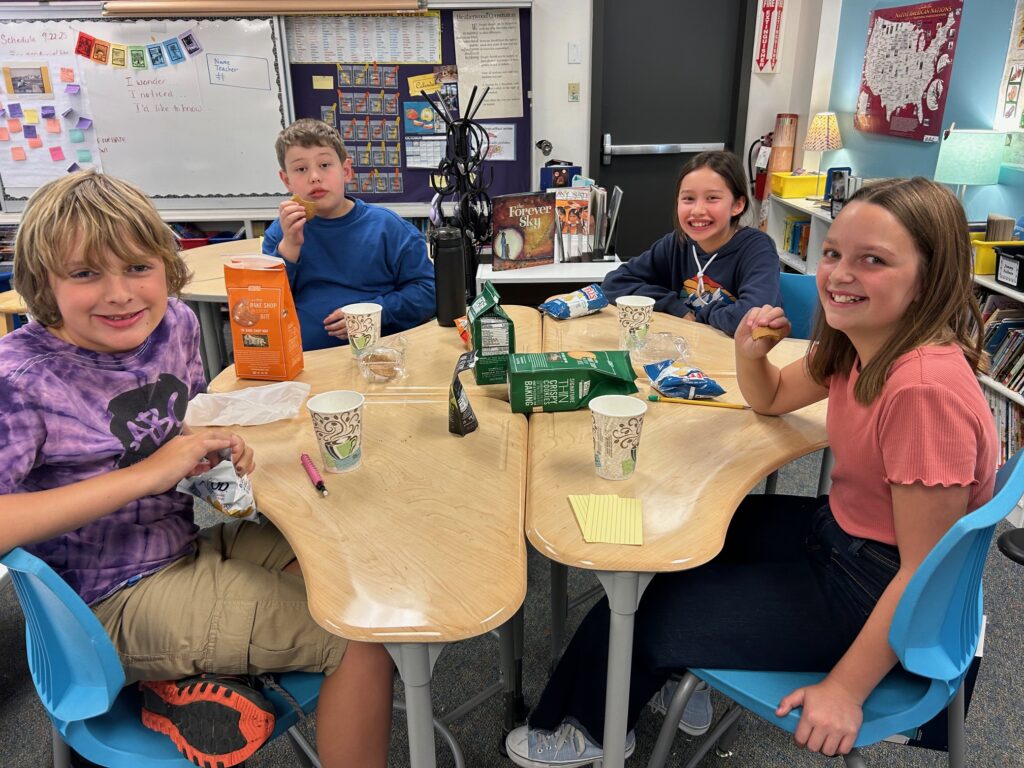
Distinguished Panel: Cathy Zimmerman (4th Grade Teacher), Maddy H., Hazel C., Bodhi S, and Peter H. (Students) (Heatherwood Elementary, Boulder Valley School District)
Session Title: "The Importance of Learning the True History"
Cathy Zimmerman had a new teammate in 2018 who would not continue the tradition of the 4th grade Pioneer Day and Hoe Down. He opened her world to the lives of the first people who inhabit Turtle Island and are the people erased in history books. These are the people we need to learn from, give land back to, follow in the footsteps of, and should be this country's leaders.
Maddy H. is 10 years old and in 5th grade at Heatherwood Elementary. Her favorite part of teaching the community about Native People is how well they listened and that all of them walked out learning something new. Natives are still alive and fighting for their rights even though the white people tried to kill them off. Native people were on the land thousands of years before the Europeans came.
Hazel C. is 11 years old and in 5th grade at Heatherwood Elementary. Her favorite thing about the experience of facilitating Native Education was helping raise awareness of what happened to the Native People and why. The most outstanding or important thing she has learned about Native People is the boarding schools and what the settlers did to the Native Americans. It stands out to her because the schools were not right!
Bodhi S. is 10 years old and in 5th grade at Heatherwood Elementary. His favorite part about teaching Native American history was the presentation. The most surprising thing to him was that he had no idea that there are Native Americans, because it is an erased part of history.
Peter H. is 10 years old and in 5th grade at Heatherwood Elementary. One thing that impacted him last year was how few people know about Native Americans. His favorite thing about teaching Native American history was learning about it and “being the teacher” and spreading knowledge.

Distinguished Speaker: Leigh Houser (Watershed Friends School, Boulder)
Session Title: "A Journey Towards Decolonized Education"
Leigh Houser has spent over 20 years in education, most recently as a mentor to novice teachers, an instructional coach and curriculum designer. As a white woman, she is on a personal journey of reckoning-- reflecting deeply on her role in both upholding and challenging systems of education. She is learning what it means to move toward culturally responsive and decolonized practices within institutions shaped by colonization, and how that work begins with honest, ongoing reflection and a commitment to meaningful change.